Self-publishing in New Zealand
The stigma, the reality, and what we actually do
If you found us by searching 'self-publishing New Zealand', you are in the right place. But the label deserves some unpacking, because what we do sits in a space that did not really have a name when we started doing it.
Where the stigma came from
'Self-publishing' used to be scoffed at, and for some good reasons. It conjures up images of badly designed books, unedited text and poor quality printing and binding. Or worse still: covers that look as if they were produced on a Mac in the good old days of 'Desktop Publishing' using clip art, or these days a low-resolution phone photograph, and set in Times New Roman or, horror of horrors, Bookman or Hobo. These are all transgressions against what makes a good book, so we understand how self-publishing earned its reputation.
And that is without considering the writing. Not all writing is good writing. We read manuscripts every week. Some need a great deal of work, some are good and some are gems. But even the gems are difficult to get published commercially, because things have changed. Having a book published by a trade publisher is now afforded to very few writers. The number of publishers, particularly in New Zealand, is getting smaller by the day, so even if the remaining publishers keep their lists at the same size, there are fewer books being produced.
Which is why so many wonderful people walk in our door. People with great ideas and a well-told story, who have often tried every publisher going and collected rejection after rejection. They have worthy books, interesting books, books well written and with a clearly defined audience. Somebody should be publishing them.

From Sophia's sixth form art boards. Cambridge International Examinations, Senior College, 2003.
So what are we, then?
For a long time there were only two options. There were trade publishers, who hold the rights and pay the author a royalty, and there were self-publishing and vanity outfits, who charge the author a fee and hand back a box of books. There was nothing in between, which made us difficult to describe. We have spent years explaining that we are neither.
We are an independent publisher working to a hybrid model. You keep your rights and your profits, and we bring the full commercial publishing process to your book, from assessment and editing through design, typesetting, print management, distribution and publicity. Nothing about the standard is different from a trade book. The only difference is who owns the outcome.
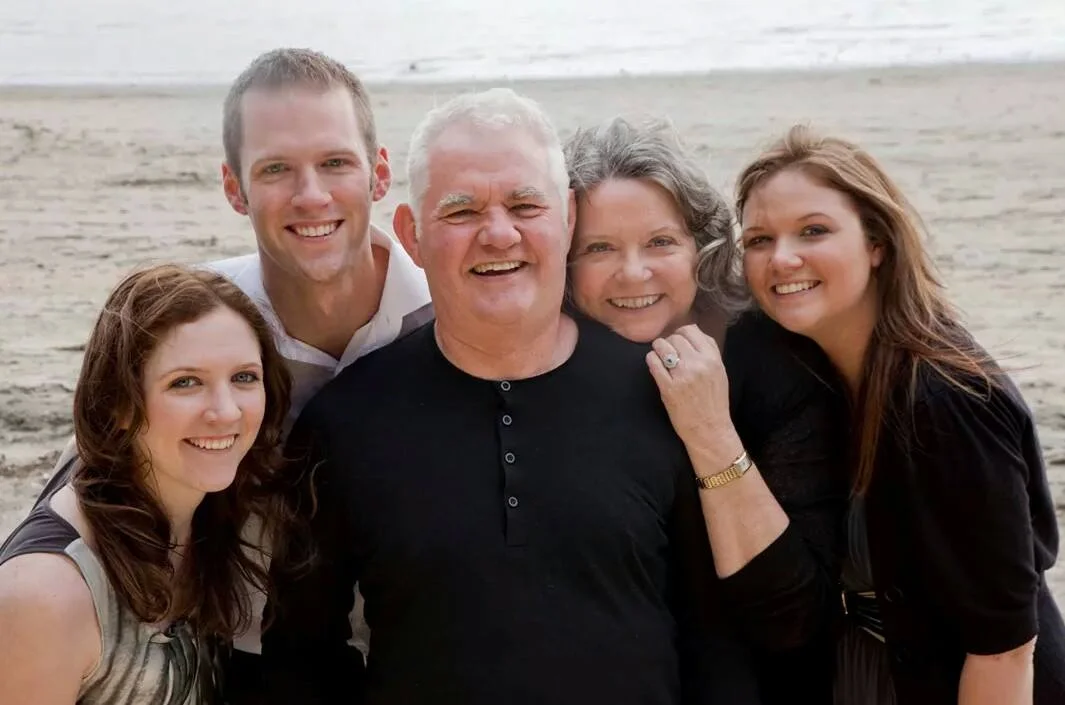
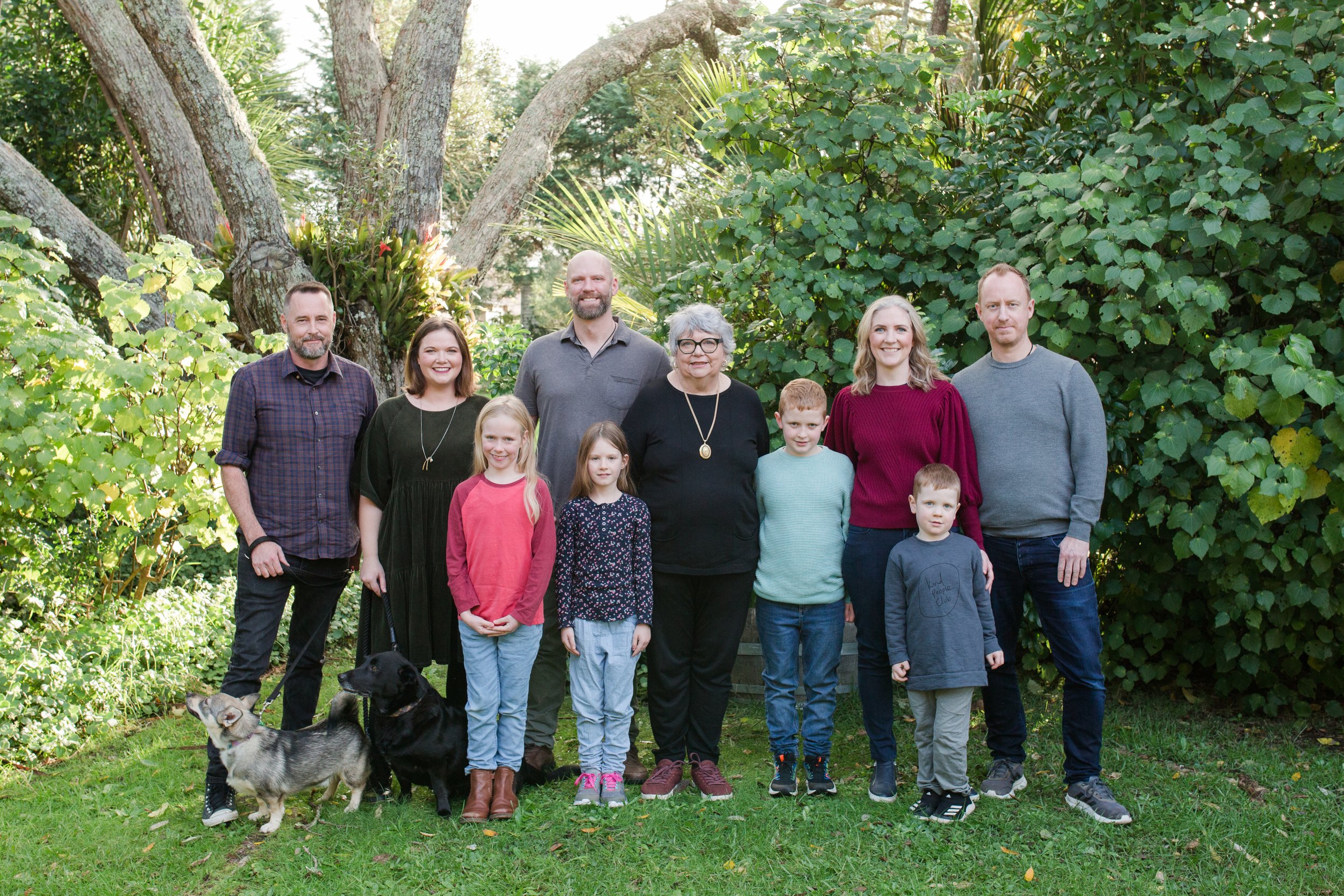
We are a small family team, so you are not uploading a file to a service and hoping for the best. You are working with Mary, Anna and Sophia. Your book will not be a job number to us. We will know it, and by the end we will be very nearly as attached to it as you are.
And we are not new to this. Mary Egan Publishing began in 2010, but the story starts in 1991, when Mary and Gerard Reid founded Egan-Reid Limited. Egan-Reid Ltd held the exclusive contract for 75% of Penguin New Zealand's book production, produced all of Oxford University Press's Australian and New Zealand dictionaries for a decade, exported to Australia and the UK, won the Minister's Scholarship export award and spent five years as one of New Zealand's top 100 exporters before it was sold to Pindar, . So while the name above the door is relatively young, the standards behind it were built inside the traditional trade. Mary has written about those early days in In the Beginning Was the Word, and it explains our values better than any services page could.

Doing it properly means doing it the same way
Almost every author wants the same thing, which is for their book to reach the people it was written for. For that to happen, the book has to be good enough to earn its place.
There is really only one approach to getting it right, and that is to follow the same steps a trade-published book follows. Assessment. Editing. Design. Production. Marketing. Otherwise, how can the book compete in a crowded market? The same holds true for ebooks.
We do this by working closely with authors, corporate and business clients, publishers both here and overseas, editors, printers, distributors, publicists and social media specialists. The result is a book that would hold its own in any bookshop, rather than one that quietly announces it was made at home. That matters just as much for the books never destined for a shop: the family histories, the company titles, the ones sold from a café counter. The standard does not change.
We have seen too many good books let down by their design, and it is a hard thing to watch, because it is so avoidable. It is why design and typesetting are never an afterthought here.
If you want a professional book, hire professionals, just the same as you would if you were building a house. You would not ask the person who sold you the timber to draw the plans, or the friend with good taste to do the wiring. Publishing works the same way. Writing a beautiful book does not make you a designer. Being a good speller does not make you an editor. Knowing your way around Word does not make you a typesetter. Each of those is a trade, learned over years.
Just as having your house built by a registered builder protects your investment, having your book professionally produced gives it the best possible chance of selling.
Niche is not a limitation
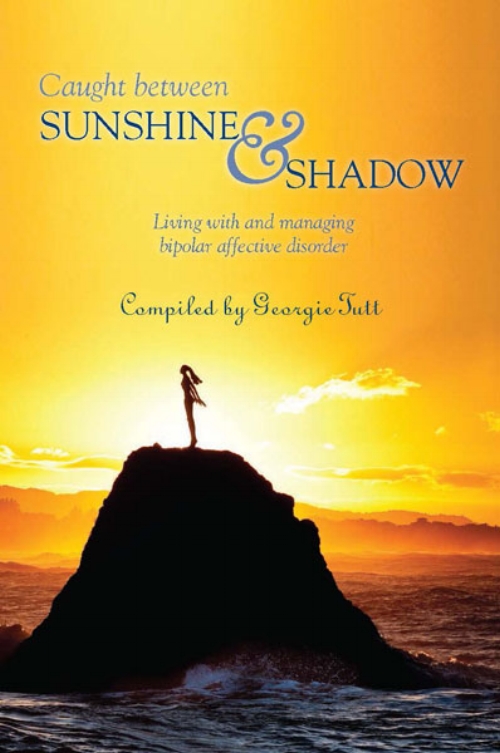
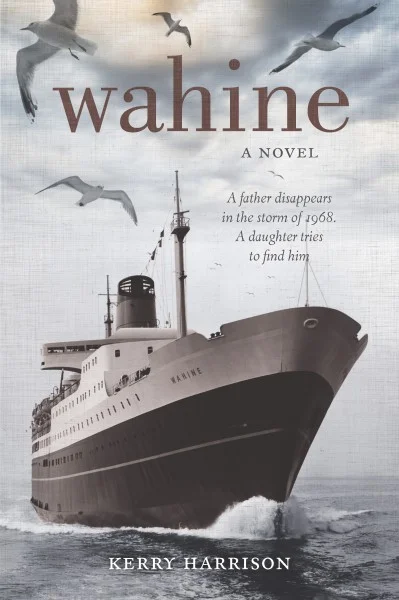
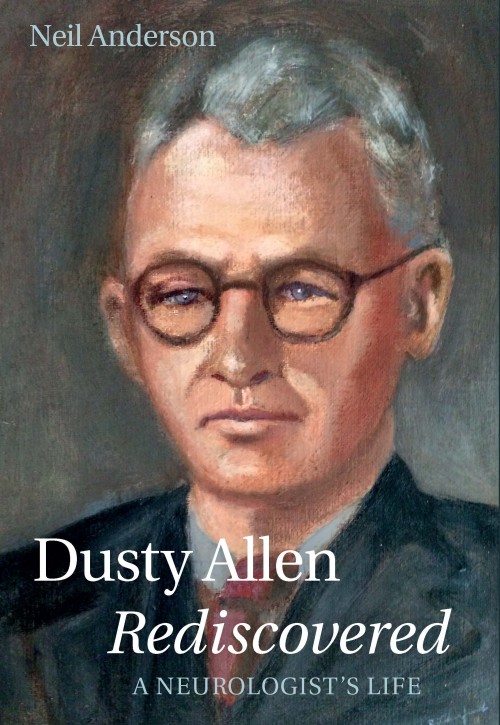
The first book we published as Mary Egan Publishing was Caught Between Sunshine and Shadow, edited by Georgie Tutt, a collection of stories about living with bipolar disorder. Georgie printed 1000 copies with us and the print run sold out before the books had even landed in New Zealand. It went straight to reprint. It would have been a hard book to place with a trade publisher, particularly as Georgie wanted to keep creative and editorial control. With our guidance she achieved exactly what she set out to do, which was to demystify bipolar affective disorder and be commercially successful while doing it.
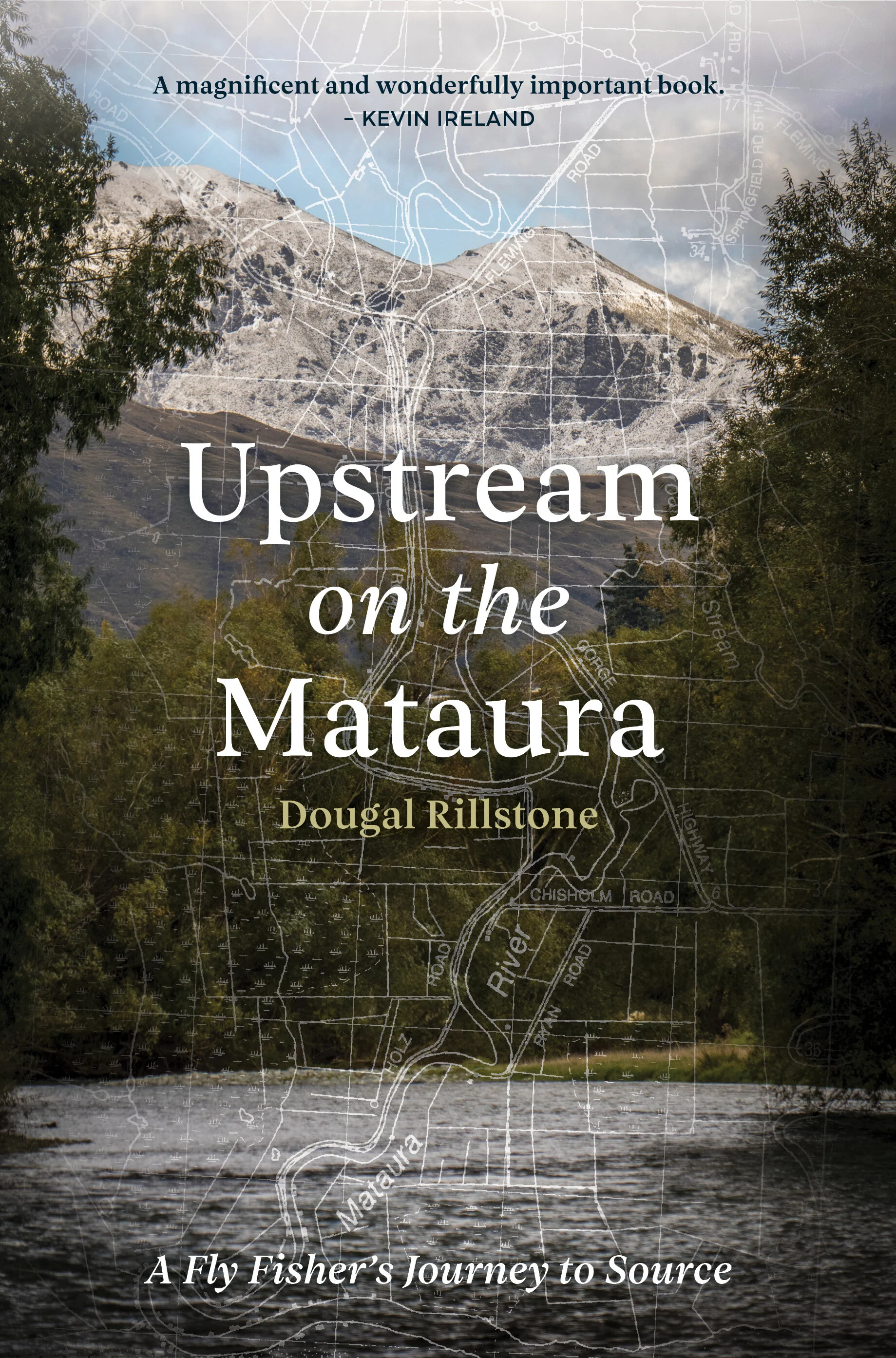
That was 2010. A decade later, a very different book made the same point at a slower burn. Upstream on the Mataura by Dougal Rillstone is a $39.99 paperback about fly fishing on a single Southland river. We published it in 2020 and it has been reprinted three times since. It is still selling. Admittedly, it is exceptionally well written, a poetic pilgrimage as The Spinoff put it, but the subject is about as specific as it gets. A well-made book on a specific subject will find its readers, and it will keep finding them long after publication.
What you get back
This is a real investment, and it is not the right choice for everyone. It is worth thinking about what you get back, though, and not only what you spend.
Sometimes the maths is very straightforward. A busy café publishing its own cookbook already knows exactly who its buyers are, because they walk through the door every day. Selling direct, with no distributor margin and no retailer margin, a print run of 1000 books can return tens of thousands of dollars to the author. Other books belong in bookshops nationwide, which is where our distribution comes in. And some books are not about money at all: a family history is worth doing properly because of who will be reading it in fifty years. Part of our job is working out which of those yours is.
Independent publishing, done properly
Our aim is for people to understand that publishing your own book is every bit as legitimate as being published by someone else. The old stigma came from books that had not been edited, designed or printed properly, and the only way to shift it is to raise the quality of the work, one book at a time.
That is the whole point of how we work. When a book has been properly assessed, edited, designed, printed and taken to market, it stands on its own merits. A reader picking it up is deciding whether they want to read it, not who published it. The difference is that you kept your rights, your control and your profits.
Self-publishing may well be the phrase that brought you here, and we understand why. But it is not really what this is. You are not doing it yourself. You are publishing independently, with a team of professionals around you, and that is what we have been doing for decades.
No matter how you publish, and whatever you call it, do it properly.